

Finding opportunities for indigenous women, one CCDA bag at a time
Read More >
We are taking the next step in our coffee journey and joining the cultivation at origin
Read More >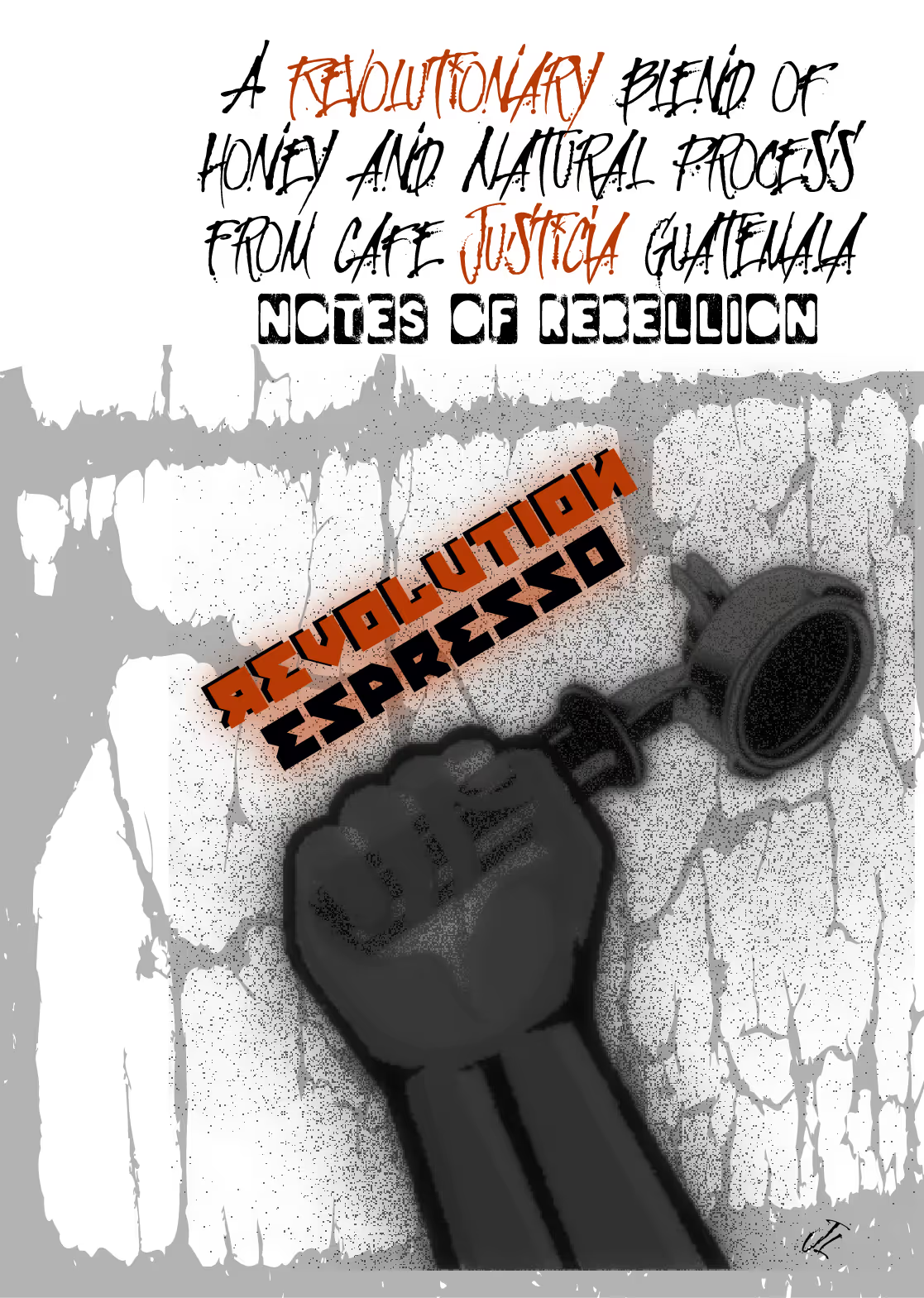
Revolution Espresso, let the taste revolutionize the coffee you consume
Read More >
A look at the new Guatemala Justicia specialty coffee options
Read More >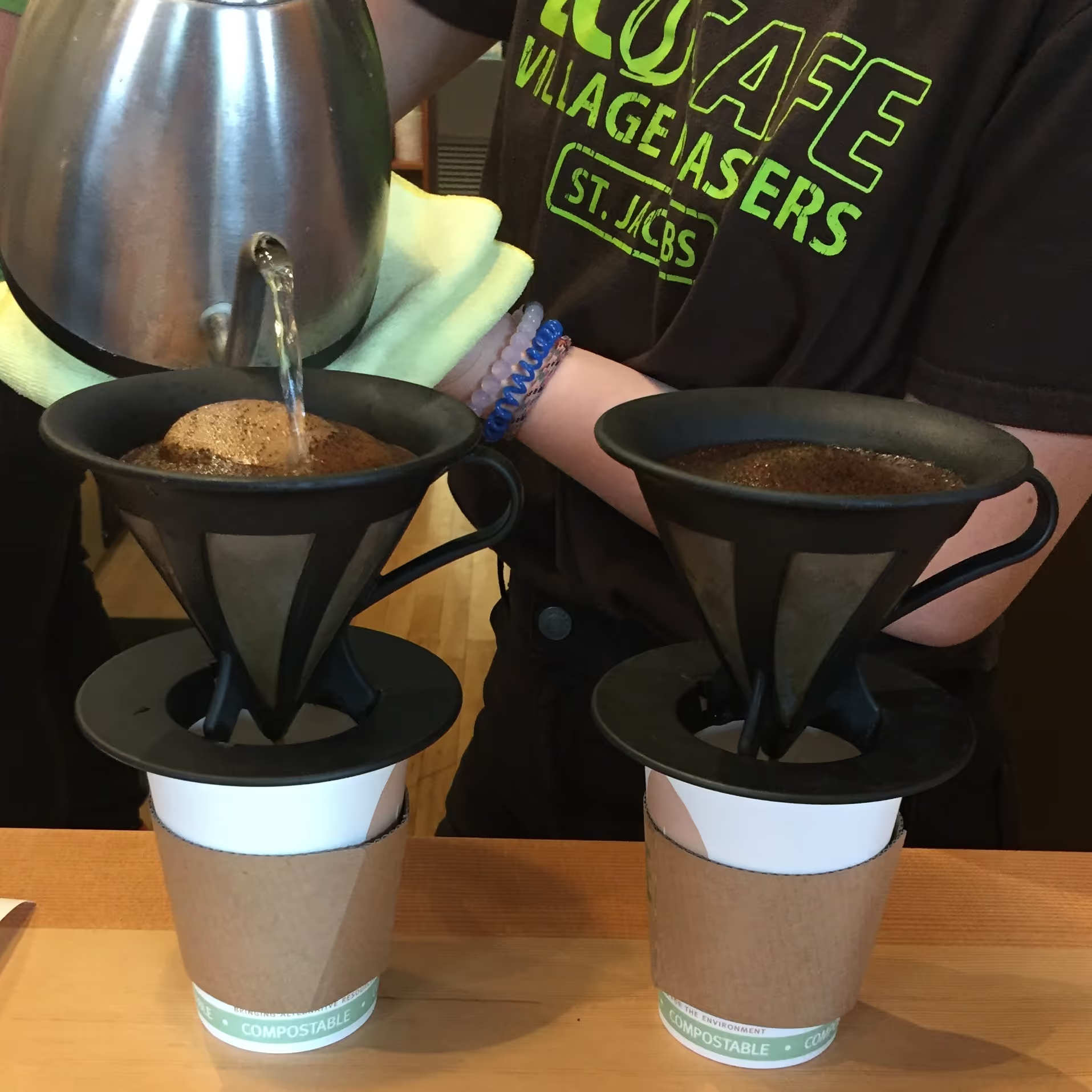
Many people don't realize that roasted coffee is a perishable product, and as a result, bitter, gross, nausea-inducing coffee that can't be consumed without milk and sugar is, sadly, the norm for most. It doesn't have to be that way. In this blog you will learn about coffee freshness and why it's an important determinant of coffee quality. We will tell you everything you need to know about keeping coffee as fresh as possible, no gatekeeping.
Read More >
Join Ed on his journey to Colombia's coffee-growing regions and immerse yourself in the culture behind coffee-making! Tag along on a visit to a family-owned farm in Santander, Hacienda la Pradera in Quindío, the boutique hotel Posada Don Agustin and the stunningly beautiful National Park of Chicamoca. Friendly and welcoming locals, delicious traditional foods, and a lot of coffee culture.
Read More >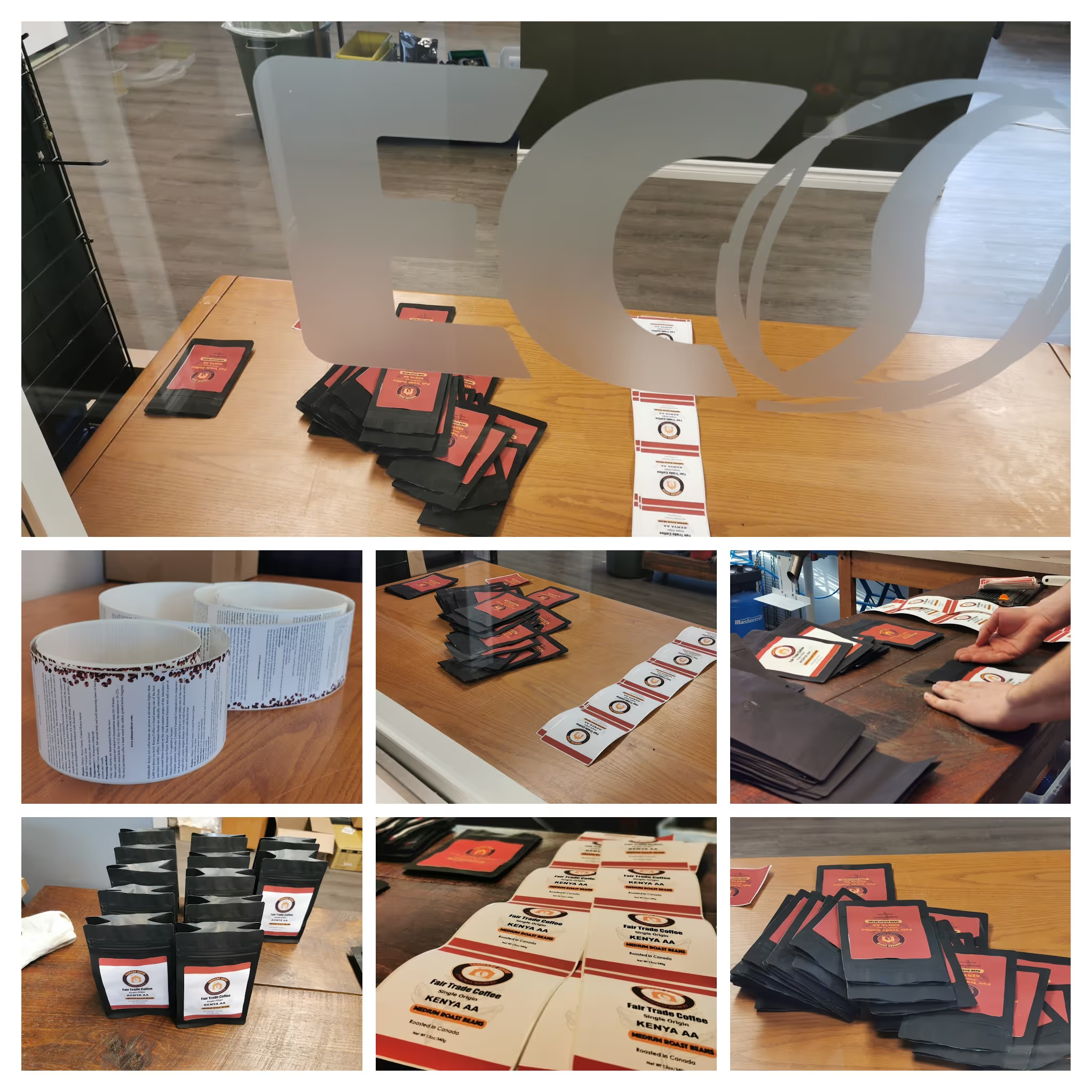
A look into the creation of a private label for TobMarc Supply Solutions
Read More >
Learn the basics of roasting coffee at home. Get started roasting coffee in your oven or on the stovetop with tips from pros who have been in the business for over 20 years. Understand the fundamentals of coffee roasting, the variables you can manipulate, and the changes in your roast this can cause. Get roasting to have fresher, tastier coffee at home for much less, all while being able to access a wider variety of single-origins.
Read More >Finding opportunities for indigenous women, one CCDA bag at a time
Hope in a Bag
Read More >We are taking the next step in our coffee journey and joining the cultivation at origin
Our farm is a plantation
Read More >Revolution Espresso, let the taste revolutionize the coffee you consume
A revolutionary change in espresso flavours
Read More >A look at the new Guatemala Justicia specialty coffee options
Natural & Honey Cafe Justicia
Read More >Many people don't realize that roasted coffee is a perishable product, and as a result, bitter, gross, nausea-inducing coffee that can't be consumed without milk and sugar is, sadly, the norm for most. It doesn't have to be that way. In this blog you will learn about coffee freshness and why it's an important determinant of coffee quality. We will tell you everything you need to know about keeping coffee as fresh as possible, no gatekeeping.
Freshness is an important determinant of coffee quality. Learn how to keep coffee as fresh as possible for longer and where to get fresh coffee locally.
Read More >Join Ed on his journey to Colombia's coffee-growing regions and immerse yourself in the culture behind coffee-making! Tag along on a visit to a family-owned farm in Santander, Hacienda la Pradera in Quindío, the boutique hotel Posada Don Agustin and the stunningly beautiful National Park of Chicamoca. Friendly and welcoming locals, delicious traditional foods, and a lot of coffee culture.
A quick story about our trip to origin
Read More >A look into the creation of a private label for TobMarc Supply Solutions
A look into the creation of a private label for TobMarc Supply Solutions
Read More >Learn the basics of roasting coffee at home. Get started roasting coffee in your oven or on the stovetop with tips from pros who have been in the business for over 20 years. Understand the fundamentals of coffee roasting, the variables you can manipulate, and the changes in your roast this can cause. Get roasting to have fresher, tastier coffee at home for much less, all while being able to access a wider variety of single-origins.
Get creative. Save some $$. Drink fresh coffee.
Read More >



584 Colby Dr. Unit 1, Waterloo, ON, N2V 1A2
(519) 588-9034
orders@eco-coffee.ca